TMJ & Bite Stability · Walnut Creek, CA
When Teeth Keep Breaking, the Problem May Not Be the Teeth.
Advanced bite analysis and TMJ evaluation in Walnut Creek for patients with worn teeth, jaw pain, grinding, or dentistry that keeps failing.
Sound Familiar?
Are You Dealing With Any of These?
Teeth that keep breaking are usually a symptom of something larger.
Teeth chip, crack, or break repeatedly, including recently repaired teeth
Your bite feels uneven or unstable when you close together
You wake up with jaw pain, sore facial muscles, or tension headaches
Clicking, popping, or stiffness occurs in the jaw joints
Teeth appear shorter, flatter, or visibly worn down over time
Crowns, veneers, or fillings have failed more than once without a clear explanation
You clench or grind your teeth, especially during sleep
You feel pressure, fatigue, or tightness around the jaw and temples
How It Works
How the Evaluation Process Works
A Step by Step Approach to Identifying the Cause of Bite Instability
WHAT HAPPENS AFTER THE EVALUATION
Treatment Paths
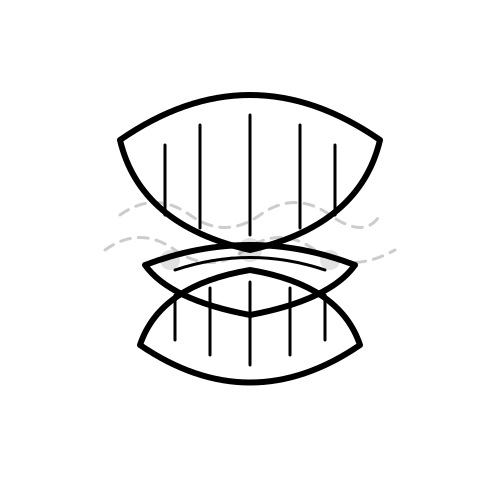
Stabilization Splint Therapy
A precision-calibrated oral appliance worn during sleep to decompress the jaw joints and reduce muscle overload. Often the first step in bite rehabilitation.
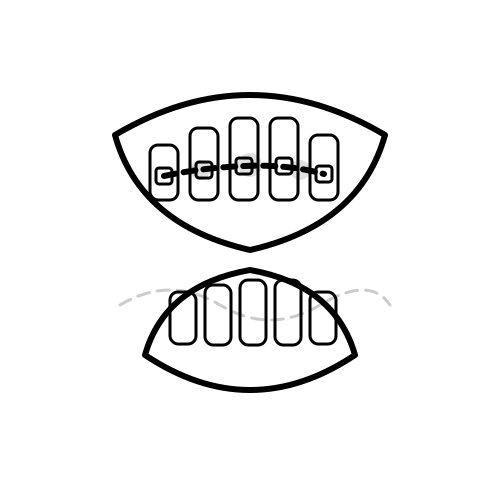
Orthodontic Bite Correction
When teeth are out of position and contributing to force imbalances, Invisalign or Fastbraces can reposition them before stable restorations are placed.
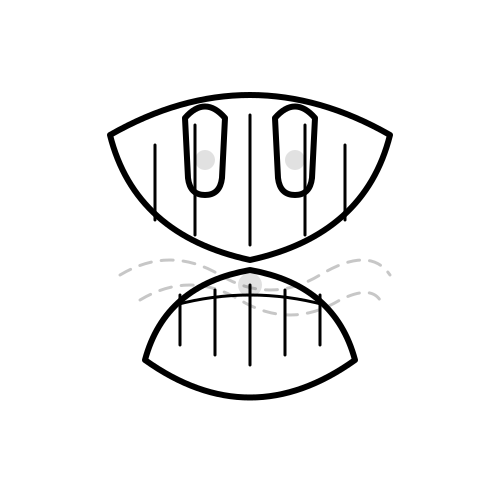
Restorative Bite Rehabilitation
Crowns, onlays, or veneers to restore proper tooth height and contact relationships, bringing the bite back into functional balance.
Full Mouth Rehabilitation
For more severe cases of bite collapse or widespread dental failure, a comprehensive phased approach restores the full mouth to a stable, functional, esthetic result.
Ready to Start?
Lasting relief starts with a Comprehensive TMJ and Bite Evaluation.
Schedule your TMJ and Bite Stability Evaluation to identify the underlying cause of your symptoms.
Common Questions
Things Patients Ask Before Getting TMJ & Bite Evaluation
No. The evaluation itself is comfortable and non-invasive. Most TMJ and bite related treatment begins with conservative approaches, and many patients experience significant relief within weeks.
The majority of TMJ and bite problems can be treated without surgery. We begin with the most conservative effective treatment approach possible.
A night guard helps reduce damage from grinding, but it does not correct the underlying cause of bite instability. The goal is to identify and correct the source of the problem, not just manage the symptoms.
Repeated failure of crowns, veneers, or fillings is often related to excessive force, grinding, or bite imbalance. Without correcting the underlying instability, the same damage can continue.
Teeth can gradually wear down from grinding, clenching, bite imbalance, missing teeth, or uneven force distribution across the mouth.
Treatment timelines vary depending on the severity of symptoms and the complexity of the bite problem. Some patients improve within weeks, while more comprehensive rehabilitation may take longer.
Yes. Invisalign can help reposition teeth and improve how force is distributed across the bite, creating a more stable functional relationship.