TMJ & Bite Stability · Walnut Creek, CA
TMJ & Bite Evaluation in Walnut Creek
Discuss jaw pain, grinding, worn teeth or repeated restoration problems with Dr. Mohammad Khandaqji. Your evaluation starts with your symptoms and an examination, followed by an explanation of the findings and options.
Sound Familiar?
Are You Dealing With Any of These?
Jaw symptoms and damaged teeth deserve an assessment before more treatment is planned. They do not necessarily share the same cause.
Teeth chip, crack, or break repeatedly, including recently repaired teeth
Your bite feels uneven or unstable when you close together
You wake up with jaw pain, sore facial muscles, or tension headaches
Painful clicking, jaw stiffness or difficulty opening your mouth
Teeth appear shorter, flatter, or visibly worn down over time
Crowns, veneers, or fillings have failed more than once without a clear explanation
You clench or grind your teeth, especially during sleep
You feel pressure, fatigue, or tightness around the jaw and temples
How It Works
How the Evaluation Process Works
Understand the Findings Before Choosing Treatment
WHAT HAPPENS AFTER THE EVALUATION
Treatment Paths
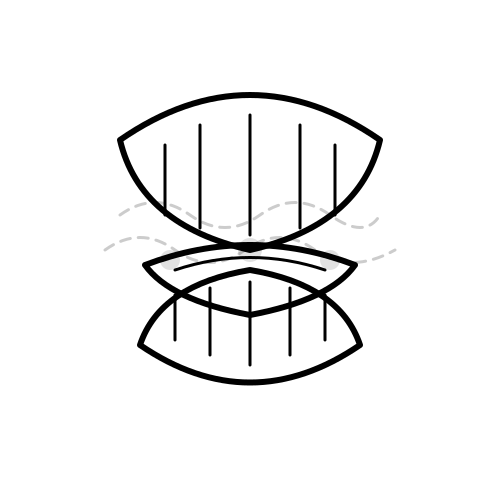
Stabilization Splint Therapy
A removable appliance may help protect teeth from grinding. Evidence for TMD pain relief is limited; it should not permanently change your bite. Report new pain to your clinician.
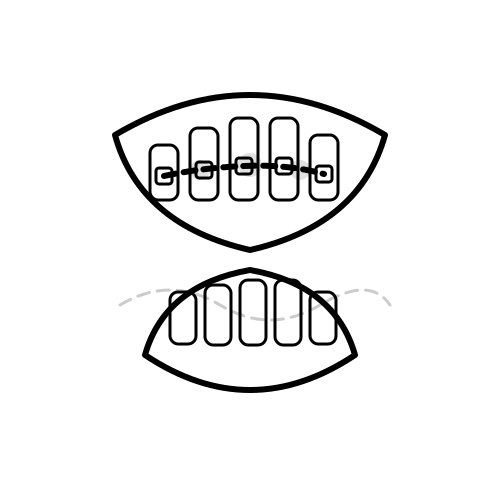
Orthodontic Bite Correction
When appropriate for tooth alignment or restorative planning, orthodontic treatment may be discussed separately. It is not an established treatment for TMD pain.
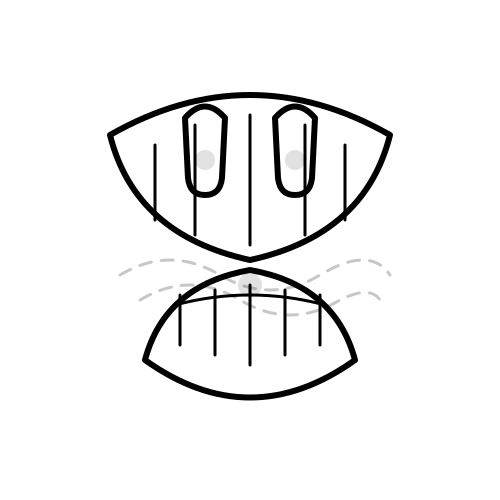
Restorative Bite Rehabilitation
Damaged teeth may need repair for their own dental indications. Permanently changing teeth or the bite is not a routine treatment for TMD pain.
Full Mouth Rehabilitation
For widespread tooth damage, explore full-mouth rehabilitation. The need to restore teeth is assessed separately from the management of jaw-joint or muscle pain.
Ready to Start?
Start with a TMJ and Bite Evaluation
Schedule an evaluation to discuss your symptoms, what the examination shows, and the next steps appropriate for you.
Common Questions
Things Patients Ask Before Getting TMJ & Bite Evaluation
The visit starts with a conversation and examination. Tell us if movement or pressure is uncomfortable so the assessment can be adapted.
Surgery is not a first step for most TMDs. Ask about simpler options and specialist advice before considering an invasive procedure.
A guard can protect teeth, but it is not a guaranteed solution for jaw pain. A TMD appliance should not be designed to permanently change your bite.
There may be several contributing factors. An examination of the tooth and restoration is needed before recommending another repair. Read about our evaluation of repeatedly failing dental work.
Teeth can gradually wear down from grinding, clenching, bite imbalance, missing teeth, or uneven force distribution across the mouth.
Symptoms and recovery vary. Some episodes settle, while persistent symptoms may need ongoing care or referral. Your review schedule depends on your findings and response.
Orthodontics can address tooth-position concerns, but should not be presented as a proven cure for TMD pain. Ask which problem the proposed treatment is intended to address.
Patient information: NIDCR guidance on temporomandibular disorders and its summary of treatment options.